DVB-S2 Frequencies: Complete Guide to Satellite TV Frequencies, Setup & Optimization

If you’ve ever searched for satellite TV channels and stumbled across terms like DVB-S2 frequencies, symbol rate, or transponders, you’re definitely not alone. For many users, these technical terms can feel confusing at first. But once you understand the basics, finding and tuning satellite channels becomes much easier.
DVB-S2 frequencies are at the heart of modern satellite broadcasting. They determine how TV channels, radio stations, and digital data are transmitted from satellites to your receiver. Whether you’re a beginner setting up your first satellite dish or an experienced user trying to improve signal quality, understanding DVB-S2 technology can save you time and frustration.
In this guide, we’ll break everything down in a simple and practical way — without the complicated jargon.
What Are DVB-S2 Frequencies?
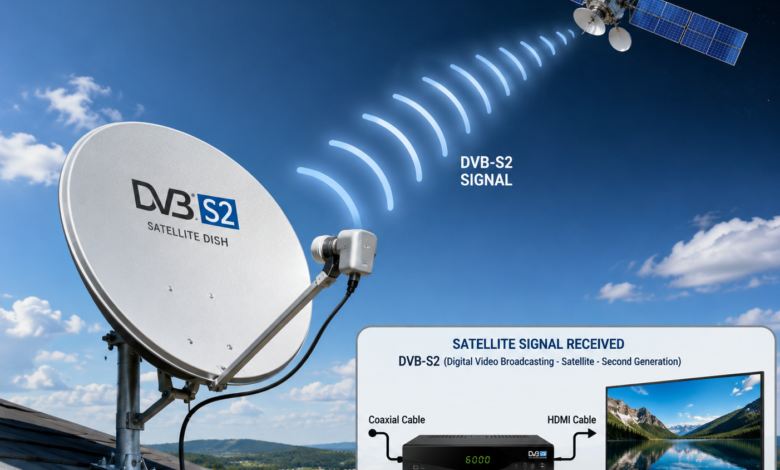
DVB-S2 stands for Digital Video Broadcasting – Satellite Second Generation. It’s the advanced standard used for satellite TV broadcasting worldwide.
In simple terms, DVB-S2 frequencies are the specific satellite transmission frequencies used to deliver digital television and radio signals to receivers.
Compared to the older DVB-S standard, DVB-S2 offers:
- Better signal efficiency
- Higher HD and 4K support
- Improved compression technologies
- Stronger error correction
- More channels in less bandwidth
This is why most modern satellite channels today use DVB-S2 instead of the older DVB-S system.
How DVB-S2 Frequencies Work
Satellite communication may sound complicated, but the basic idea is straightforward.
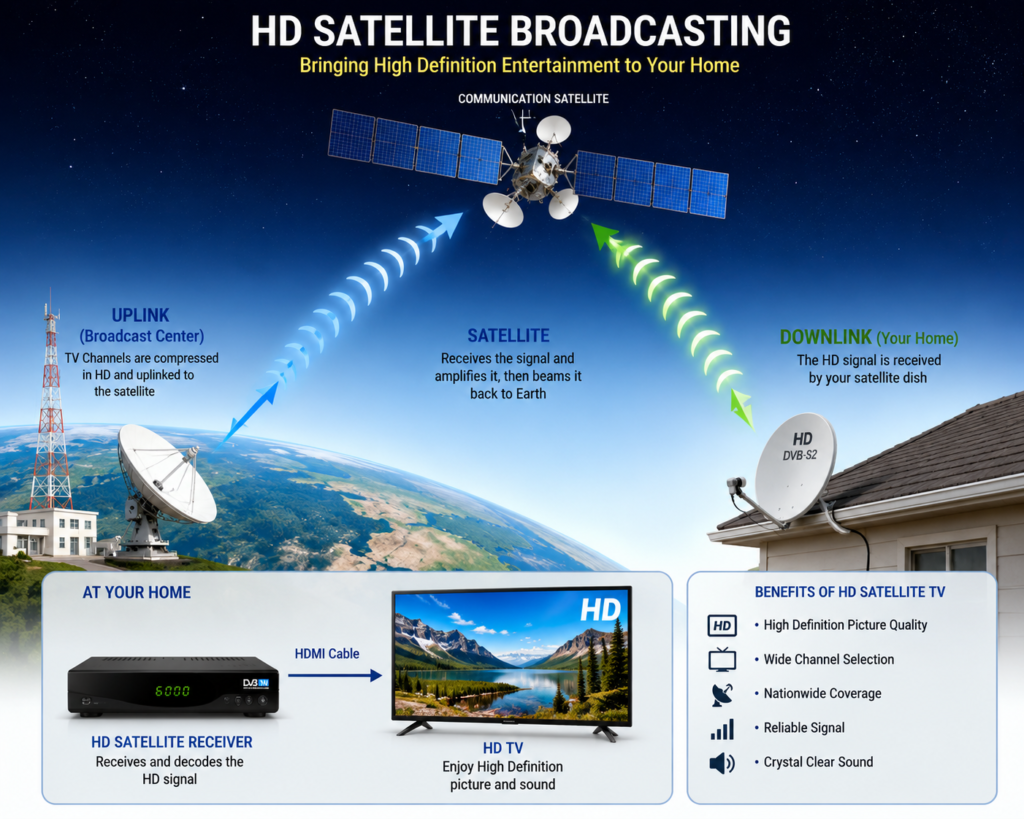
Here’s how it works:
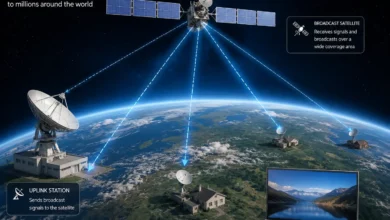
- TV broadcasters send signals to a satellite in space.
- The satellite retransmits those signals back to Earth.
- Your satellite dish receives the signal.
- Your DVB-S2 receiver decodes the transmission and displays the channels.
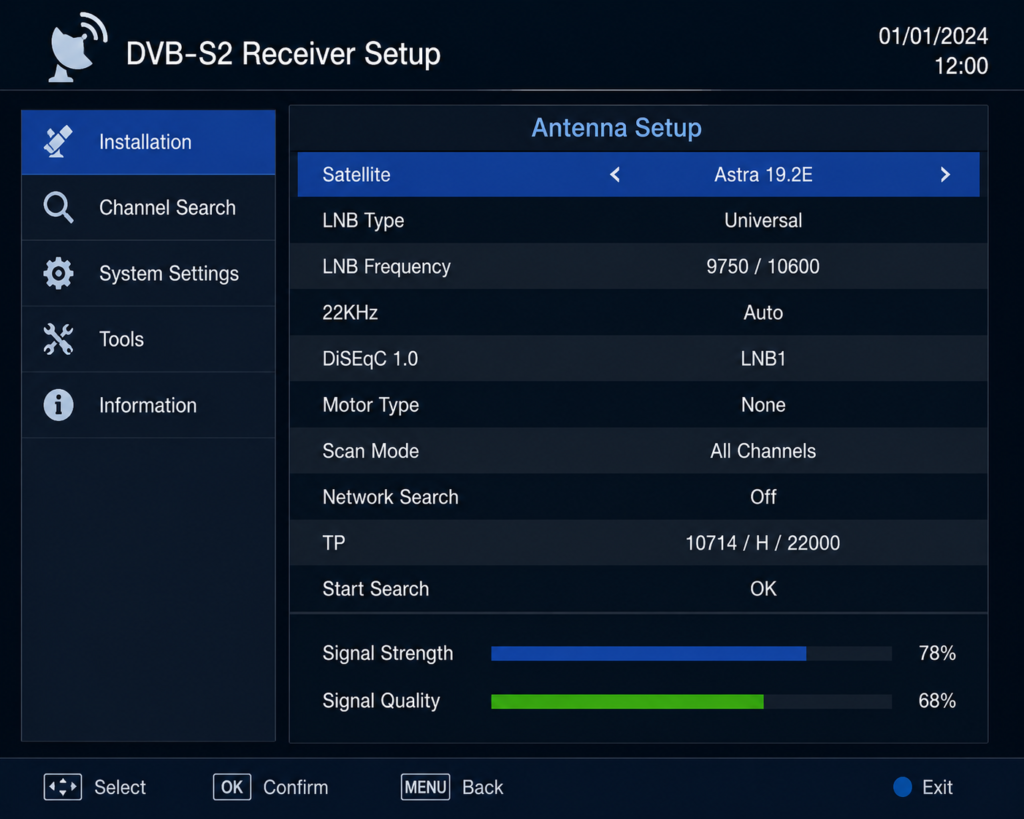
Each signal is transmitted on a specific frequency along with additional technical settings such as:
- Frequency number
- Polarization (Horizontal or Vertical)
- Symbol Rate (SR)
- FEC (Forward Error Correction)
All these values are necessary for your receiver to lock onto a channel successfully.
Common DVB-S2 Frequency Parameters Explained
When you search for satellite frequencies online, you’ll often see information formatted like this:
11054 H 27500 DVB-S2 8PSK
At first glance, it looks confusing. But let’s break it down.
Frequency
The frequency identifies the exact transmission point on the satellite.
Example:
- 11054 MHz
This is the main value your receiver uses to locate the signal.
Polarization
Polarization helps satellites send multiple signals efficiently.
There are two main types:
- H = Horizontal
- V = Vertical
Example:
- 11054 H
Symbol Rate (SR)
The symbol rate defines the amount of data transmitted per second.
Example:
- 27500
Higher symbol rates usually mean more data capacity.
Modulation Type
DVB-S2 commonly uses:
- QPSK
- 8PSK
- 16APSK
Modern HD channels often use 8PSK because it provides better bandwidth efficiency.
FEC (Forward Error Correction)
FEC improves signal reliability and reduces transmission errors.
Examples:
- 3/4
- 5/6
- 2/3
Most receivers detect FEC automatically today.
Why DVB-S2 Frequencies Matter
Many users only care about watching channels, but frequencies actually impact your viewing experience more than you think.
Correct DVB-S2 frequencies help with:
- Faster channel scanning
- Better HD and 4K quality
- Stable signal reception
- Reduced channel loss
- Improved audio and video synchronization
If your frequencies are outdated, you may lose access to channels even if your dish is aligned properly.
DVB-S2 vs DVB-S: What’s the Difference?
One of the most common questions from satellite users is whether DVB-S2 is really better than DVB-S.
The answer is yes — significantly.
| Feature | DVB-S | DVB-S2 |
|---|---|---|
| Compression Efficiency | Lower | Higher |
| HD Support | Limited | Excellent |
| 4K Compatibility | Rare | Supported |
| Signal Efficiency | Basic | Advanced |
| Bandwidth Usage | Higher | Optimized |
DVB-S2 was designed specifically for modern broadcasting demands, including HD sports, movies, and ultra-high-definition channels.
How to Find Updated DVB-S2 Frequencies
Satellite channels regularly change frequencies for technical or licensing reasons.
To stay updated, you should:
1. Use Trusted Satellite Websites
Reliable satellite frequency websites update transponders daily.
Look for:
- Updated satellite charts
- Active transponder lists
- Frequency change announcements
2. Check Official Broadcaster Pages
Some TV networks publish their latest frequencies directly on their websites.
This is especially useful for:
- Sports channels
- International broadcasters
- News channels
3. Use Blind Scan
Modern DVB-S2 receivers often include a blind scan feature.
Blind scanning automatically searches for:
- New frequencies
- Hidden channels
- Updated transponders
It’s one of the easiest ways to keep your channel list current.
Best Tips for Strong DVB-S2 Signal Reception
Even with correct frequencies, poor installation can ruin your signal quality.
Here are some practical ways to improve reception.
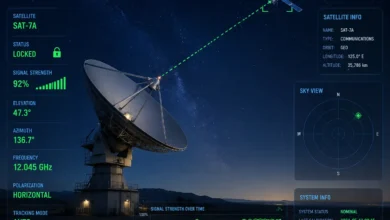
Proper Dish Alignment
A tiny movement in dish position can dramatically affect signal quality.
Make sure:
- The dish faces the correct satellite
- Elevation is accurate
- LNB skew is adjusted properly
Use High-Quality Cables
Cheap cables often cause:
- Signal loss
- Pixelation
- Weak HD performance
Investing in good coaxial cable makes a noticeable difference.
Upgrade Your Receiver
Older receivers may struggle with:
- 8PSK decoding
- HEVC compression
- 4K channels
A modern DVB-S2 receiver offers better stability and compatibility.
Avoid Physical Obstructions
Trees, walls, and buildings can block satellite signals.
Ensure there’s a clear line of sight between your dish and the satellite.
Popular Satellites Using DVB-S2 Frequencies
Many major satellites worldwide now rely heavily on DVB-S2 technology.
Some popular examples include:
Astra Satellites
Widely used in Europe for HD broadcasting.
Hotbird
Popular for international and multilingual channels.
Nilesat
Extremely popular in North Africa and the Middle East.
Turksat
Offers Turkish and regional channels.
Intelsat
Used globally for commercial broadcasting.
Each satellite contains hundreds of DVB-S2 transponders carrying thousands of channels.
Common Problems With DVB-S2 Frequencies
Satellite users occasionally face reception issues.
Here are the most common problems and solutions.
“No Signal” Error
Possible causes:
- Incorrect frequency
- Dish misalignment
- Loose cable connections
Solution:
- Recheck transponder settings
- Test signal strength
- Restart receiver
Channels Missing After Scan
This usually happens when:
- Frequencies changed recently
- Receiver database is outdated
Solution:
- Run blind scan
- Update satellite list manually
Pixelated HD Channels
Often caused by:
- Weak signal quality
- Poor weather conditions
- Low-quality LNB
Solution:
- Improve alignment
- Replace damaged equipment
Are DVB-S2 Frequencies Used for 4K Channels?
Absolutely.
DVB-S2 was built to support modern high-bandwidth content like:
- Full HD
- 4K Ultra HD
- HDR broadcasting
- HEVC/H.265 compression
Without DVB-S2 technology, transmitting large 4K video streams efficiently would be much harder.
This is why most new UHD satellite channels rely exclusively on DVB-S2.
Future of DVB-S2 Technology
Satellite broadcasting continues evolving rapidly.
New developments include:
- DVB-S2X standard
- Better compression codecs
- Higher bandwidth efficiency
- Improved mobile satellite reception
DVB-S2X, in particular, pushes satellite efficiency even further and is expected to dominate future broadcasting systems.
Final Thoughts
DVB-S2 frequencies are the backbone of modern satellite television. Once you understand how frequencies, symbol rates, and transponders work together, managing your satellite setup becomes much easier.
Whether you’re searching for HD sports channels, international programming, or 4K entertainment, DVB-S2 technology delivers better quality and more efficient broadcasting than older systems.
The good news is that you don’t need to be a satellite engineer to use it successfully. With the right receiver, proper dish alignment, and updated frequencies, you can enjoy stable and high-quality satellite TV without headaches.
FAQ About DVB-S2 Frequencies
What does DVB-S2 mean?
DVB-S2 stands for Digital Video Broadcasting – Satellite Second Generation. It’s an advanced standard for satellite TV broadcasting.
Can old satellite receivers support DVB-S2?
Not always. Older DVB-S receivers may not decode DVB-S2 signals. You often need a DVB-S2-compatible receiver.
Why do satellite frequencies change?
Broadcasters change frequencies for:
- Technical upgrades
- Bandwidth optimization
- Satellite migration
- Channel restructuring
Is DVB-S2 better for HD channels?
Yes. DVB-S2 is specifically optimized for HD and 4K broadcasting with improved compression and efficiency.
What is blind scan in DVB-S2 receivers?
Blind scan automatically searches for active frequencies and channels without manually entering transponder details.
Do weather conditions affect DVB-S2 signals?
Yes. Heavy rain, storms, or snow can temporarily weaken satellite signal quality.